
From Trash to Treasure
More than 50 community members, artists and self-proclaimed “trashionistas” gathered to reimagine how raw materials might be repurposed.
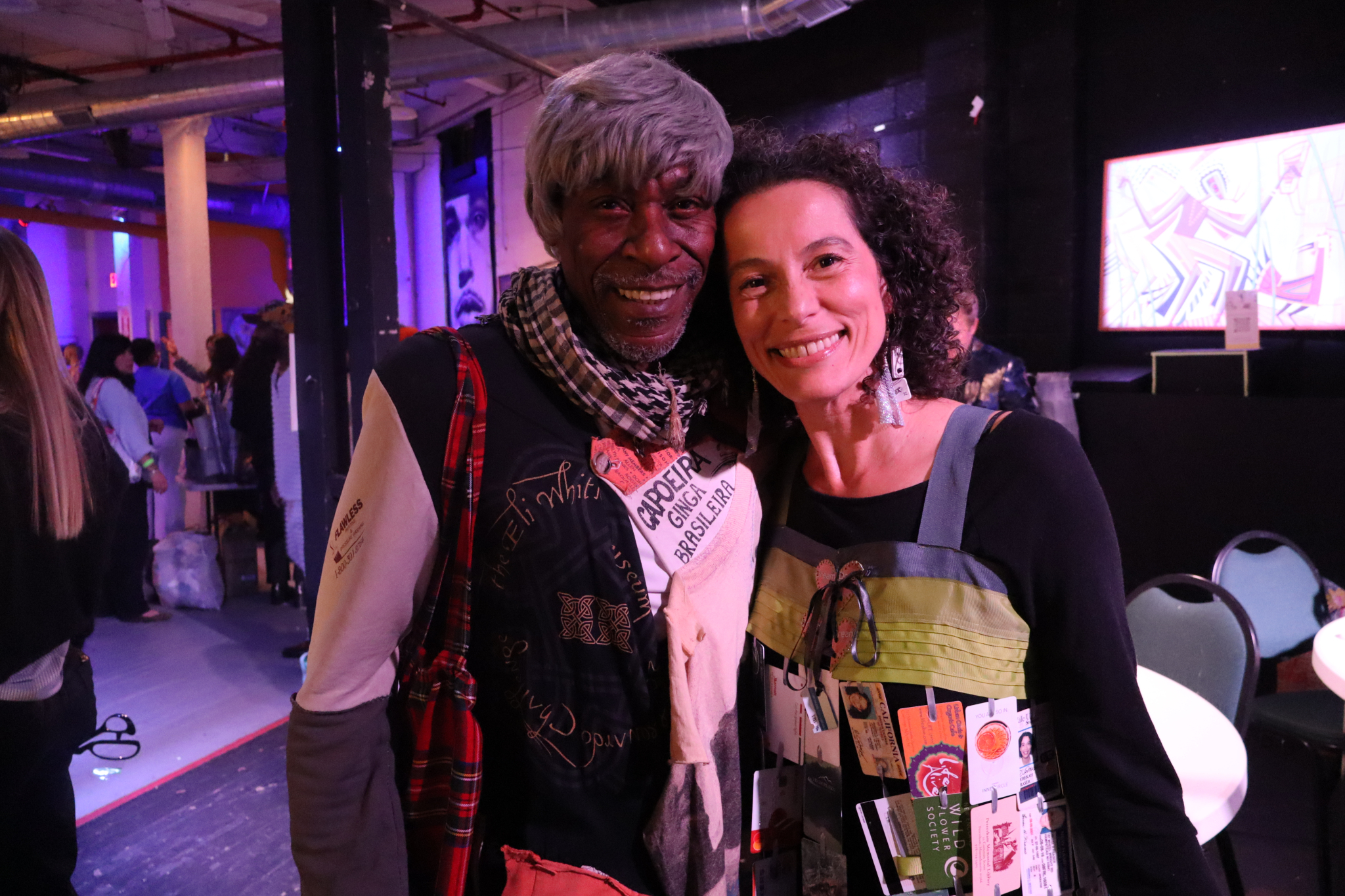
Most bottle caps can be recycled, but for Rebekah Fraser, “trashion” maker and the recent founder of Trash to Fashion, all of them can be. In fact, most items we think of as “trash” can be repurposed, she said.
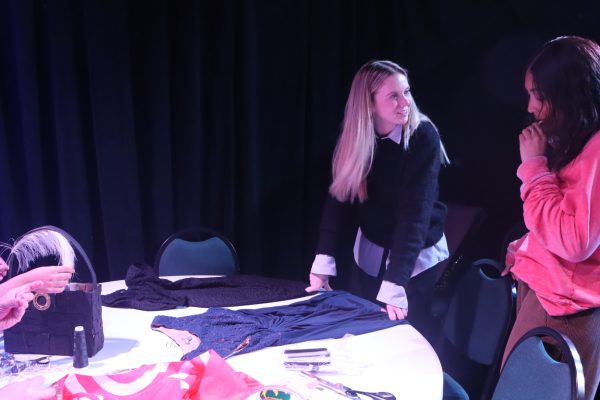
“How could you use it in a garment or jewelry?” she asked at an October workshop and ball at Bregamos Theatre in New Haven. “What else could you do with it? What else could it be?”
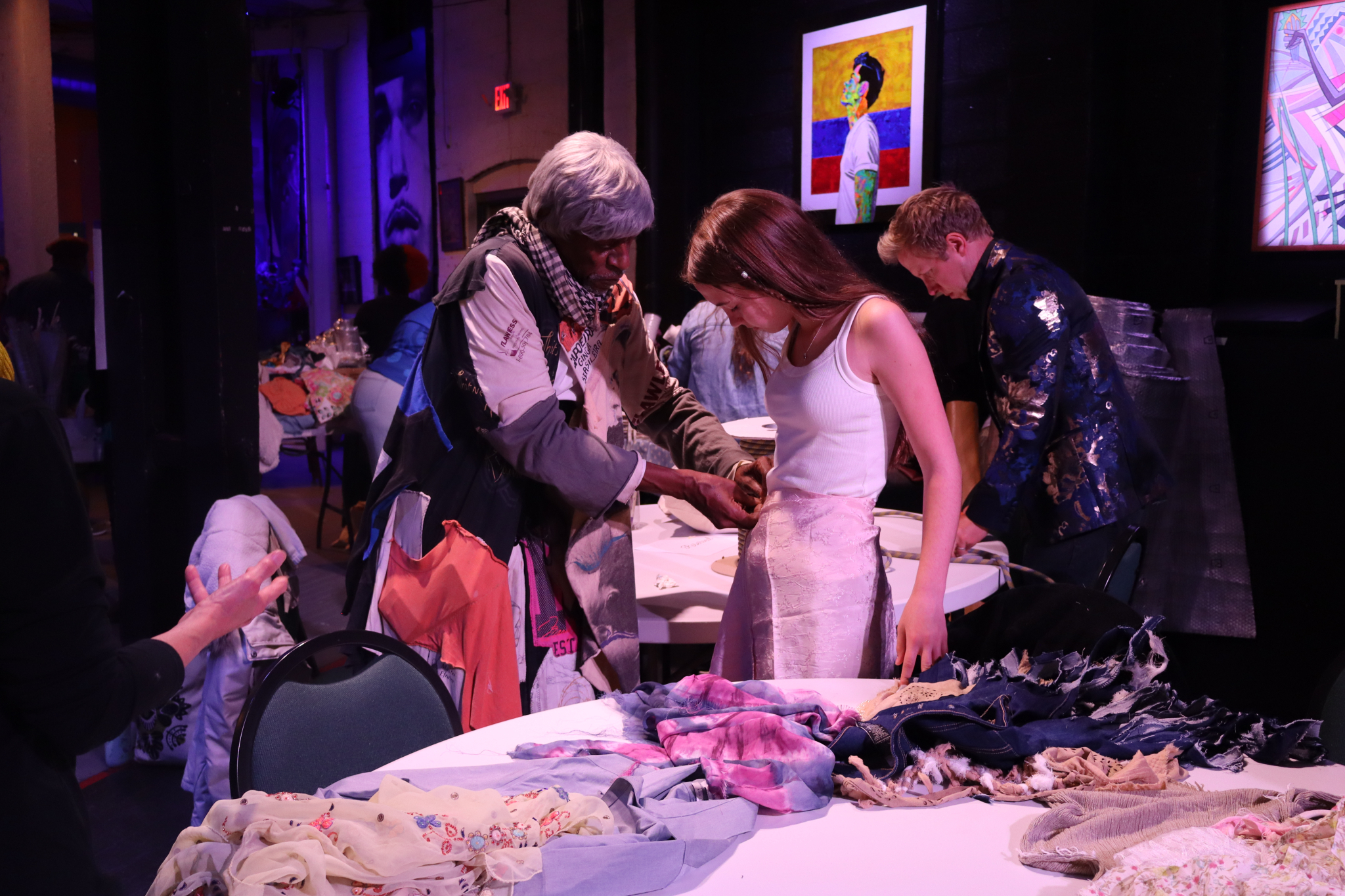
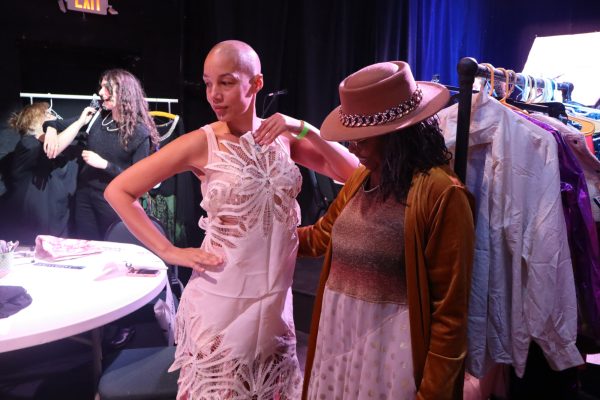
More than 50 community members, artists and self-proclaimed “trashionistas” gathered at the outfit’s biggest event of the year, reimagining a cornucopia of raw materials at a nightlong workshop and ball. There, artists and designers helped attendees turn discarded doilies, deadstock fabric and other diverted “creative waste” into stylized couture.
“It’s all about shapes,” said fashion designer and facilitator Donald Carter, who wore his own design that quilted together T-shirts dating back to the 1980s.
The event, as well as an art installation and another workshop earlier in the year, was supported by grant funding and event sponsorship from The Community Foundation for Greater New Haven.
“Our purchasing use and disposable choices are a reflection of how we care for ourselves and each other,” said Fraser, looking back proudly on the workshop and ball. “We have to, as a culture, stop mindlessly moving through the world because it's killing people, literally.”
But part of the point for Fraser is the fun, and the power that can be tapped by reimagining our environment and our consumption habits. “Trash to Fashion is meant to be educational, to get people thinking differently, to opt back in and give people agency in that process. I want to help others realize they’re not powerless: You don’t have to throw that away, or have a new thing all the time.”
Fraser believes there’s an “upswell” in interest in more intentional clothing choices, especially among Gen Z, and she hopes New Haven can be a hub for a “reuse economy.”
“We can foment something here that's really positive and necessary.” As she told attendees at the October workshop and ball, “When one of us takes an environmental action by making something from upcycled material, it makes a small difference. When more of us do it, then it becomes really impactful.”
What inspires you?
Creating a charitable fund makes a difference now and forever.


