
Bringing History Alive
WPAA-TV in Wallingford is more than a pubic access channel.
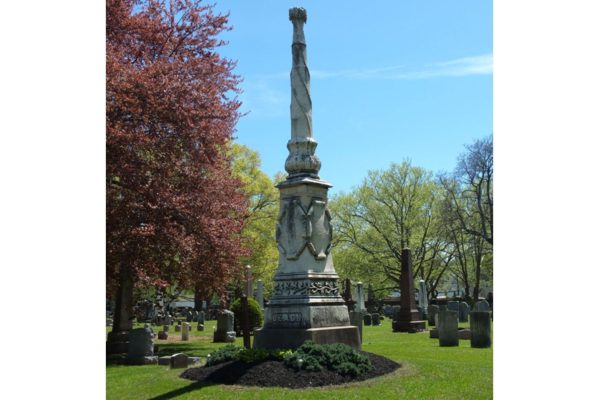
In the cemetery just across the street from WPAA-TV, a towering obelisk casts a shadow.
“The gravesite has been a looming figure next to the station for a long time. It’s like it’s saying, ‘I want to be known,’” said WPAA-TV Executive Director Susan Huizenga.
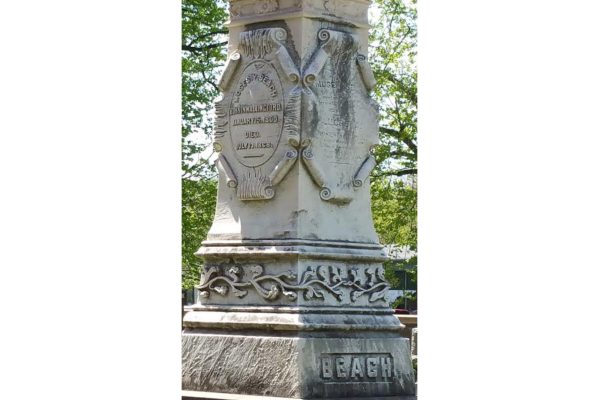
The monument is to Moses Yale Beach, an accomplished Wallingford native who founded the Associated Press. Upon examining the gravesite, Huizenga discovered a mystery: the birthdate on Beach’s headstone, January 15, 1800, which contradicted the date listed in many public records – January 7, 1800.
“The mystery was the seed,” said Josiah Houston, artistic director at WPAA-TV, and Huizenga’s son. “My mom loves mysteries. She loves puzzles. Not literal puzzles, but in real life, connecting things that should be connected. And she found an unsolvable puzzle, because some pieces of this story were missing.”
Founded in 1993, WPAA-TV & Community Media Center is a volunteer-run community media hub offering production support and resources to the public, including a podcasting studio and production space. WPAA-TV is the home of the town’s public access television station, but Huizenga emphasizes how the station is “more than TV,” with a mission to support local storytellers and creators, and facilitate conversations in the public interest.
In collaboration with CT Humanities, WPAA-TV planned a project to coincide with the 250th anniversary of the Declaration of Independence America250 called “Moses Y. Beach Revealed.” Volunteers at WPAA-TV would discover the source of the error: a biography compilation published in 1848, and duplicated many times over.
For Huizenga, the birthdate discrepancy was at the heart of a larger mystery: why Beach and his legacy, both local and global, seemed to be shrouded in silence. The fact that this legacy is so connected to journalism and journalistic integrity only added irony to the typo, Huizenga noted.
Additionally, a Heritage Marker installed beside the gravesite in 2025 misstated Beach’s role as founder of the Associated Press, instead stating he “teamed up” with others to found the global press outfit.
“The approved Heritage Marker text misrepresent[ed] Mr. Beach’s accomplishment, tracking more toward the ‘nothing remarkable’ tone,” wrote Huizenga in a blog post touching on the importance of “Doing History.” This is a tenet of the America250 Connecticut Commission, pointing to the importance of focusing on those historically left out, and of asking questions about who interprets our history, she explained.
The Heritage Marker has since been adjusted to show the correct date but, Huizenga points out, not his role as sole AP founder, which was confirmed in 2015.
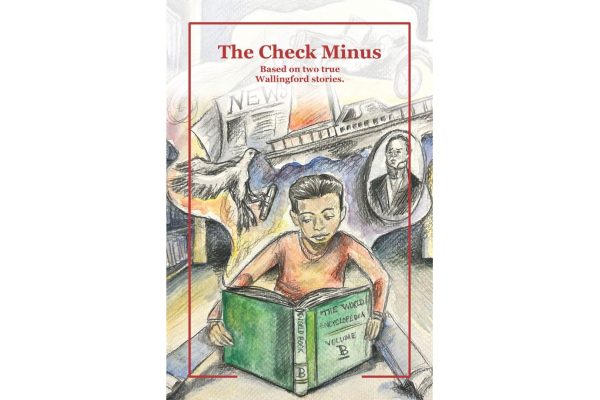
To retell this local story, and to help underscore the importance of “doing history” together, Huizenga and Houston set out to create a children’s book.
The story, A Check Minus, follows Youssef, a fictionalized Associated Press journalist sharing a memory from his childhood: Just after immigrating to Wallingford from Morocco, he attends Moses Y. Beach Elementary School. In his first homework assignment, a report about Beach, Youssef received a “check minus” for using the apparently incorrect birthdate. By pointing to the primary source, the gravesite, Youssef’s grade was amended.
“The point isn't the fact that someone was wrong,” says Houston, who authored the book. “The point is that a ‘check minus’ is a judgment, and removing that minus shouldn't feel like liberation; it should feel like an acknowledgement. That acknowledgement is that we don't know everything, and the things that we don't know, we can learn together. The best way to direct yourself towards understanding isn't to take someone else's word for the truth. It's to find the primary source.”
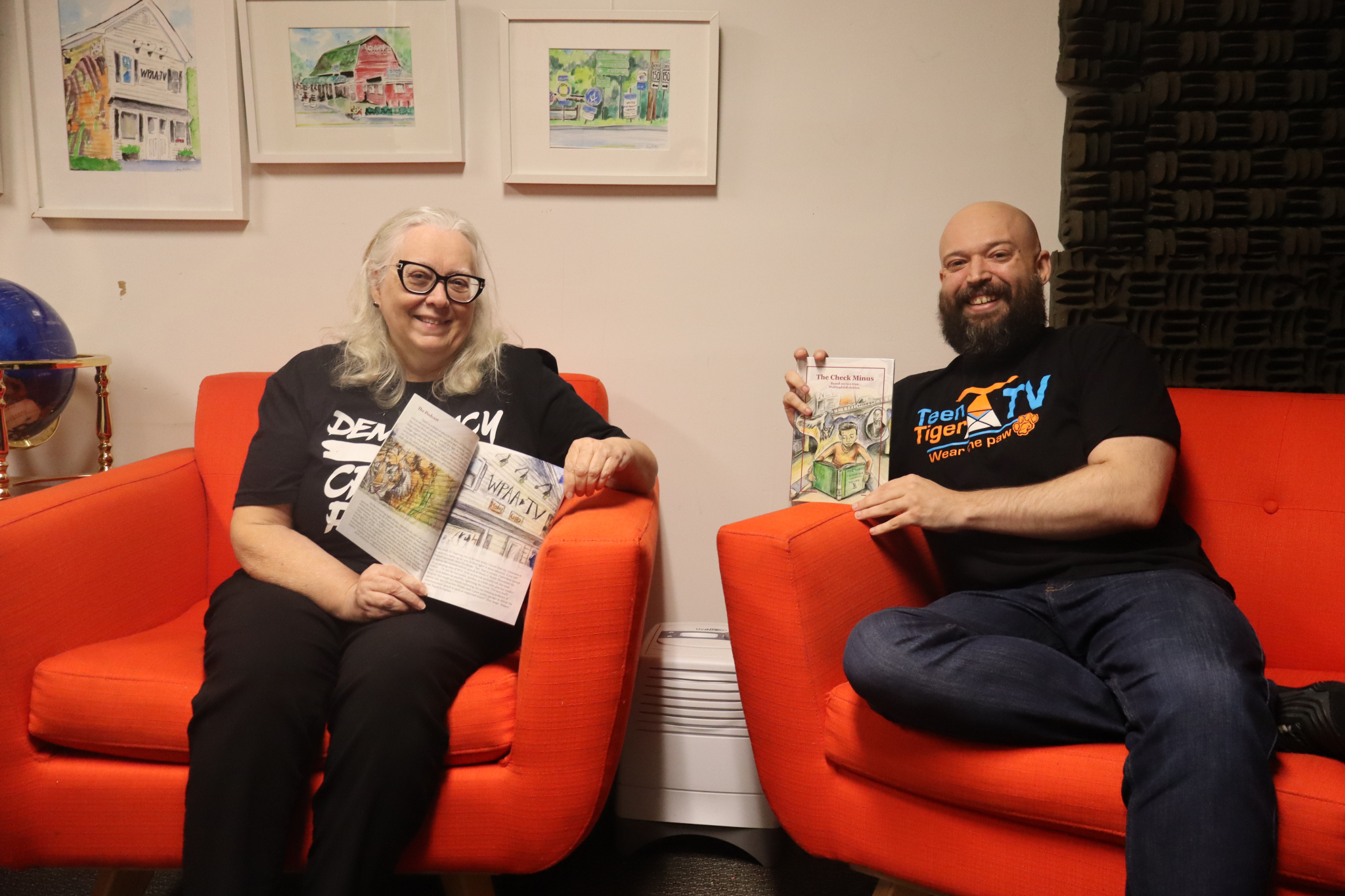
With grant support from The Community Foundation in 2024, WPAA-TV covered printing and promotion costs.
“The purpose of the project was to invest in revealing Mr. Beach and this hidden story of Wallingford,” said Huizenga. “It was to establish that there were communities of ‘other’ here that are still not recognized. It was to invest in creativity and storytelling and our role in it.”
Houston said he drew on his own childhood experience of bridging a gap in understanding around Beach.
“I grew up down the street from Moses Y. Beach Elementary, and I've always known the name, but I had no idea who this person was. I didn't care to learn much more. When I finally learned a little bit about Beach, I wondered why there wasn't more known about this fascinating, interesting, innovative and important figure.”
As an educator, Houston hopes the book will be used in classrooms to engage students in storytelling, local history and civics. To help this, he and Huizenga developed lesson plans for grades 4 through 6.
“I want children to be able to look around and be like, ‘I see this and I know what it means. Whether it’s positive or negative, I have an understanding of the place I live.”
This story was featured in our 2025/26 Report to Our Community.


