
Allyship in Action: A Conversation with Walter D. Woods
Walter D. Woods, the Senior Vice President of Development and Donor Services at The Community Foundation, reflects on the recent anniversary of the Community Fund for Women & Girls, and what we can learn from the allyship on display during November's celebration and luncheon.
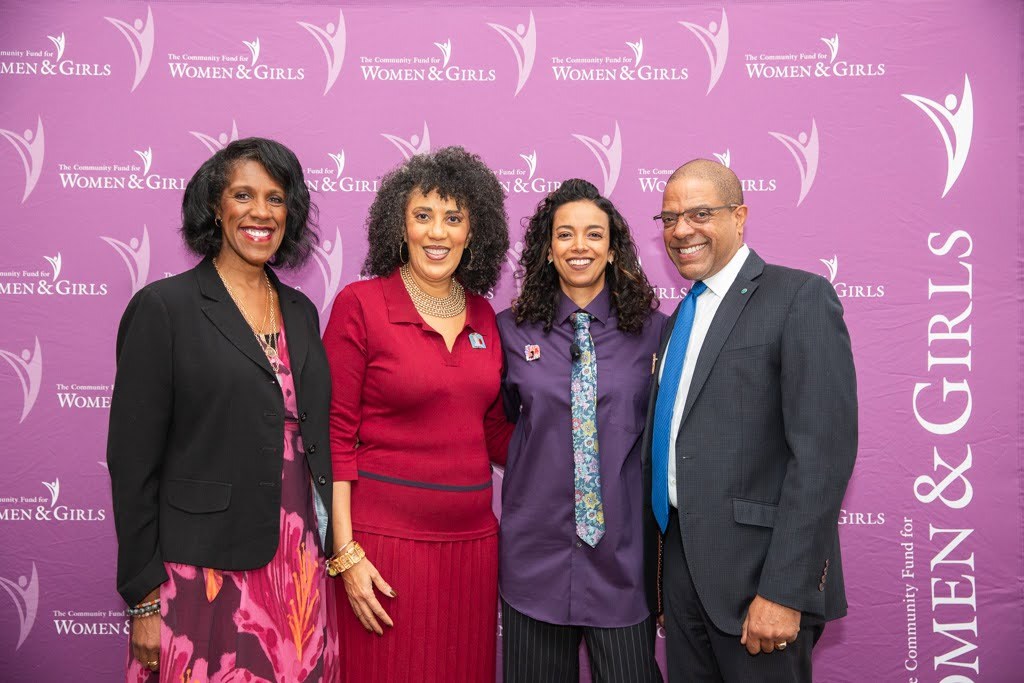
How would you describe your experience during the 30th Anniversary Celebration?
The 30th Anniversary Celebration felt both energizing and affirming. Walking into a room of 300+ supporters, partners and friends created an atmosphere of real momentum. One of the most memorable moments was hearing author, activist and organizer Vanessa Priya Daniel speak. Her presence was electrifying, and the way she weaved organizing, justice and hope together stayed with me. I was also struck by the level of genuine excitement during the Community Vision Awards announcement. Seeing over 1,800 community votes culminate in recognition for the Spanish Community of Wallingford, Elena’s Light and the Iota Chi Sigma Chapter of Sigma Gamma Rho, reminded me how deeply people care about this work. And, of course, the announcement of the $100,000 Signature Grant to She Leads Justice was a powerful highlight.
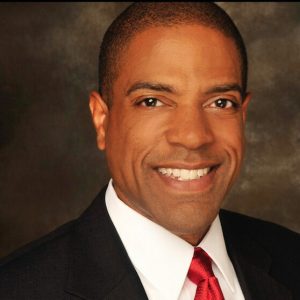
Related: Read more about Walter D. Woods here.
What were some takeaways from the event?
A few things stuck with me. First, the clear through-line that real change happens when communities lead the vision, not just respond to it. The engagement — from the packed room to the thousands of votes — showed that the Fund has built trust over three decades. From Daniel, I took away the reminder that women of color have long been architects of systems-change strategies that all of us can learn from. And from the event itself, I was reminded how seamless execution can elevate the message — the staff teamwork that our Foundation President and CEO Karen DuBois-Walton and Fund Chair Christine Kim highlighted was obvious throughout. The day felt like both a celebration and a recommitment.
Why is feminist allyship important to you?
Feminist allyship matters to me because equity isn’t achieved in silos. Being an ally means recognizing that gender justice is inseparable from racial, economic and social justice. It requires listening, learning and using one’s role or influence to open doors, redistribute power and amplify voices that haven’t historically been heard. It’s about standing in solidarity, but also stepping back when appropriate so others can lead.
How did you see that in action at the 30th anniversary event or through the work of the Fund?
The event itself was a living example of feminist allyship. The keynote message centered women of color as teachers, strategists and leaders — not as footnotes. The community voting process elevated grassroots organizations doing on-the-groundwork, and the Signature Grant to She Leads Justice showed a concrete investment in work that advances gender and racial equity. And internally, the collaboration across staff — as Karen noted, “teamwork makes the dream work” — reflected a model of shared leadership that aligns with feminist principles of partnership, transparency and care.
How was the Fund's vision for the future shaped that day - and what do you see, looking ahead to the next 30 years?
The event celebrated a milestone, but it also sparked conversations about what’s possible. Thirty years from now, we hope to be celebrating not only progress, but the emergence of leaders shaped by the investments we’re making today. We touched on allyship during the program, but a deeper conversation about institutional commitments — governance, grantmaking, community voice and equity — could push the movement further.
Join the movement
The Community Fund for Women & Girls is celebrating 30 years.


