
A Compassionate Approach
Downtown Evening Soup Kitchen included in latest slate of Basic Needs Fund grants.
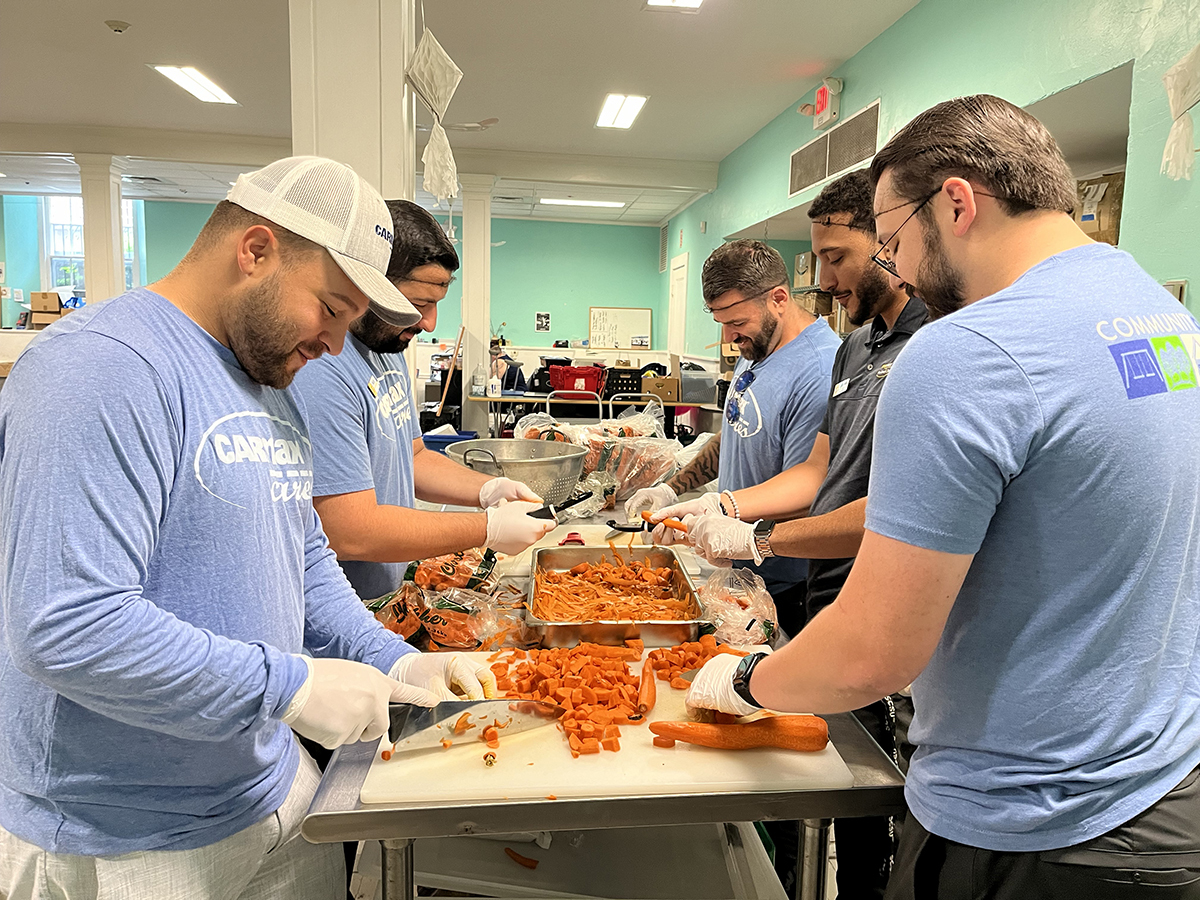
When Supplemental Nutrition Assistance Program (SNAP) benefits were threatened this fall, Downtown Evening Soup Kitchen (DESK) saw an immediate increase in both need and anxiety, according to Executive Director Steve Werlin.
“It was a startling shift in policy, and it became very nerve-racking for those we serve, our volunteers and staff, and for everyone trying to ensure we had enough food at our pantry,” Werlin said.
At its food pantry, which serves about 1,200 households a year, DESK saw the number of new households visiting the pantry for the first time start to spike during the fall of 2025. Werlin says he expects those numbers will continue to rise in 2026.
Even with recent emergency gap funding from the state, “it’s difficult to think about where all this food is going to come from,” Werlin says. “Food assistance organizations were never designed to take the place of SNAP, and the changes to eligibility criteria will result in tens of thousands of people across our state losing a critical lifeline and cornerstone of our social safety net system."
Werlin explains that, amid an ongoing affordability crisis, changes to SNAP benefits affect how households make financial decisions on every front, from food to health care. “Anytime we see a loss in benefits, whether it's healthcare coverage, unemployment, social security or SNAP, people are forced into making difficult decisions – and all of that means that we're going to see an increase in all of our services.
Downtown Evening Soup Kitchen was one of 44 organizations that were recently awarded grants from The Foundation’s Basic Needs Fund. The organization is also in the second year of a multi-year responsive grant awarded by The Foundation in 2024.
This latest round of grants brings The Foundation’s total funding for basic needs over $1.6 million in 2025.
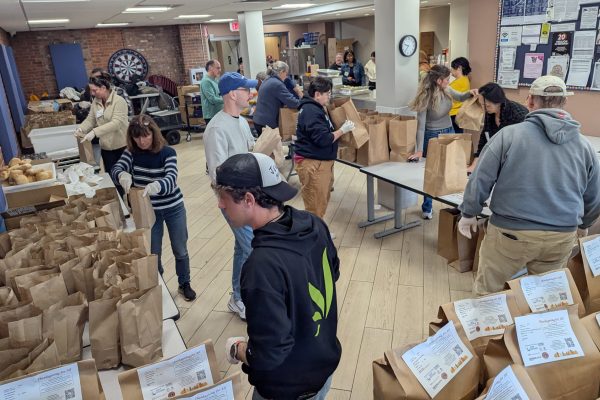
DESK provides a weekly food pantry and daily Dinner-on-the-Green program, and offers the city’s only low-barrier day program designed for the community’s highest-need and hardest-to-serve individuals.
The Drop-in & Resource Center (DRC) at DESK is designed to meet basic needs on an individual basis. Clients’ needs are prioritized, “as they define them,” Werlin says, and can include food, clothing, toiletries and medical care, mail services and harm reduction products.
Policy changes affecting benefits eligibility do not stop at food access, Werlin stresses. Rollbacks to housing-first solutions to homelessness, and harm reduction approaches to overdose prevention put many of DESK’s programs and resources at risk, despite their proven effectiveness.
“One of the hardest things we’re dealing with is the shift away from a compassionate approach,” says Werlin. “It’s a change in the zeitgeist, and a criminalization of homelessness that we haven’t seen in decades.”
Between the DRC, which opened in 2021 during the height of the pandemic, the food pantry, and the Dinner-on-the-Green program, DESK served more than 4,000 individuals and distributed 113,233 meals and groceries in 2025.
DESK is also involved in several local, state and national policy advocacy efforts, including Greater New Haven Coordinated Food Assistance Network (CFAN), the New Haven Food Policy Council, the Greater New Haven Regional Alliance to End Homelessness, the Connecticut Coalition to End Homelessness, and the Statewide Harm Reduction Partnership.
One client, Donna, shared her experience with DESK in their recently published annual report: “I have been on and off the streets for the past five years, and I am grateful for the supplies DESK provides because they have kept me alive.”
Help the Basic Needs Fund raise more grant resources for basic material needs in Greater New Haven – now and in the future.


