Midterms Matter: Local Nonprofits Help Get Out the Vote
The Community Foundation is prioritizing civic health initiatives, including support for voter engagement efforts ahead of the general election – like those led by the League of Women Voters of Connecticut and Leaders for Educational Advocacy and Diversity (LEAD).
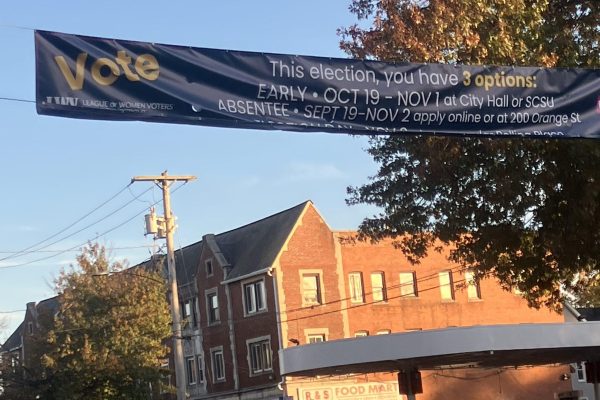
In this year's election, Connecticut voters have three options: using a "no-excuse” absentee ballot; taking advantage of early in-person voting; or going to the polls on November 3.
In previous years, an absentee ballot could be cast only with a valid “excuse.” Early voting was just introduced in Connecticut in 2024 and has caught on, with roughly 40% of the state’s voters using it. In Greater New Haven, several civically-focused nonprofits are making sure that registered voters in all of our communities understand the voting options and why voting in a non-presidential year matters.
“We want people to know that these were hard-fought opportunities to expand access to the ballot, and we really want you to use them,” says Patricia Rossi, co-president of the League of Women Voters of Connecticut (LWVCT).
With grant support from The Community Foundation, the League ramped up its voter engagement efforts in New Haven this year. In 2026, The Community Foundation prioritized support of organizations working to increase resident participation in civic life and amplify community voice, especially in neighborhoods where conditions make it difficult for residents to be civically aware and engaged.
Rossi says that donors have stepped up to increase support because of their growing concerns around voter access.
“That is very much something we've seen for the past couple of years: people very concerned about the political climate; people very concerned about groups feeling disaffected and not participating,” she says. “We did way more postcarding than we ever did before, and we canvassed for the first time in New Haven.”
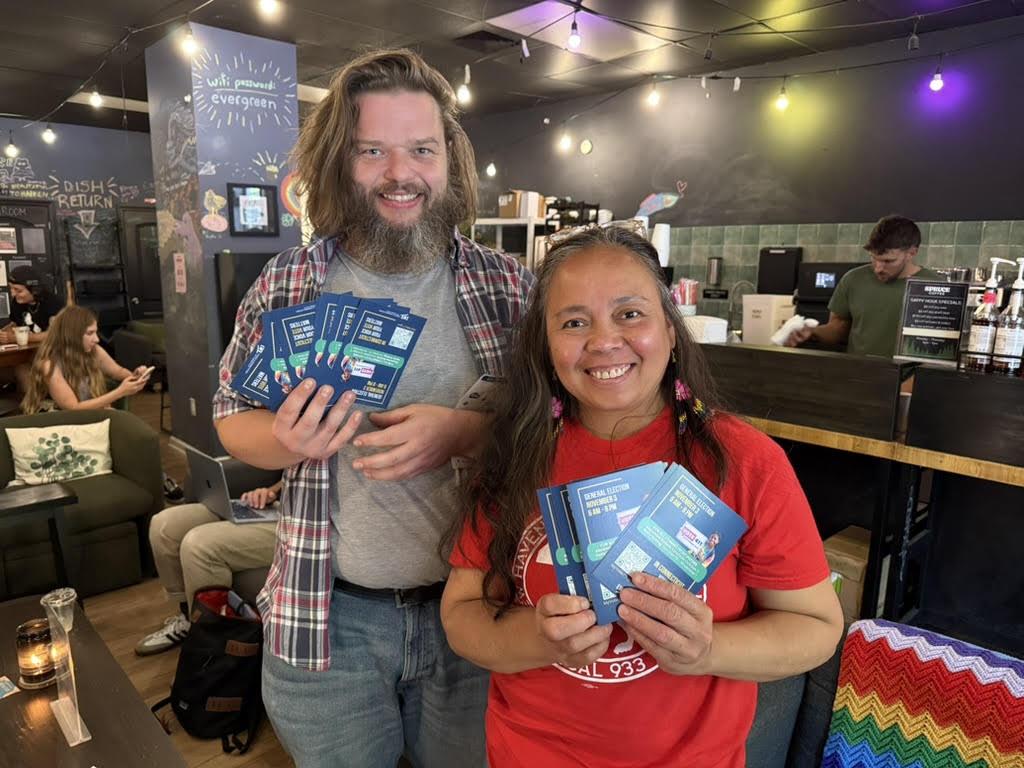
Including postcards, Rossi estimates that over 6,000 pieces of explanatory literature including pamphlets and leaflets have been distributed to voters.
“Invariably, voters will say, ‘Oh yes, we're going to vote for president again,’” says Rossi. League staffers and volunteers clarify, “‘No, this isn't that year. This is the year where you're going to vote for governor, some local officials and your U.S. Congressperson.’ We do a lot of what's on the ballot.” Rossi recommends voters with questions, including about who is on the ballot, head to vote411.org.
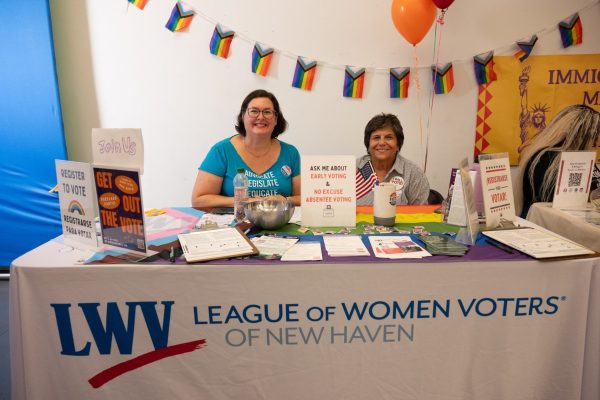
This year, the League of Women Voters is focusing canvasing and information efforts in neighborhoods where low incomes, language and other structural barriers result in low voting participation. Fear of immigration enforcement among Latine communities may also suppress voter turnout in November.
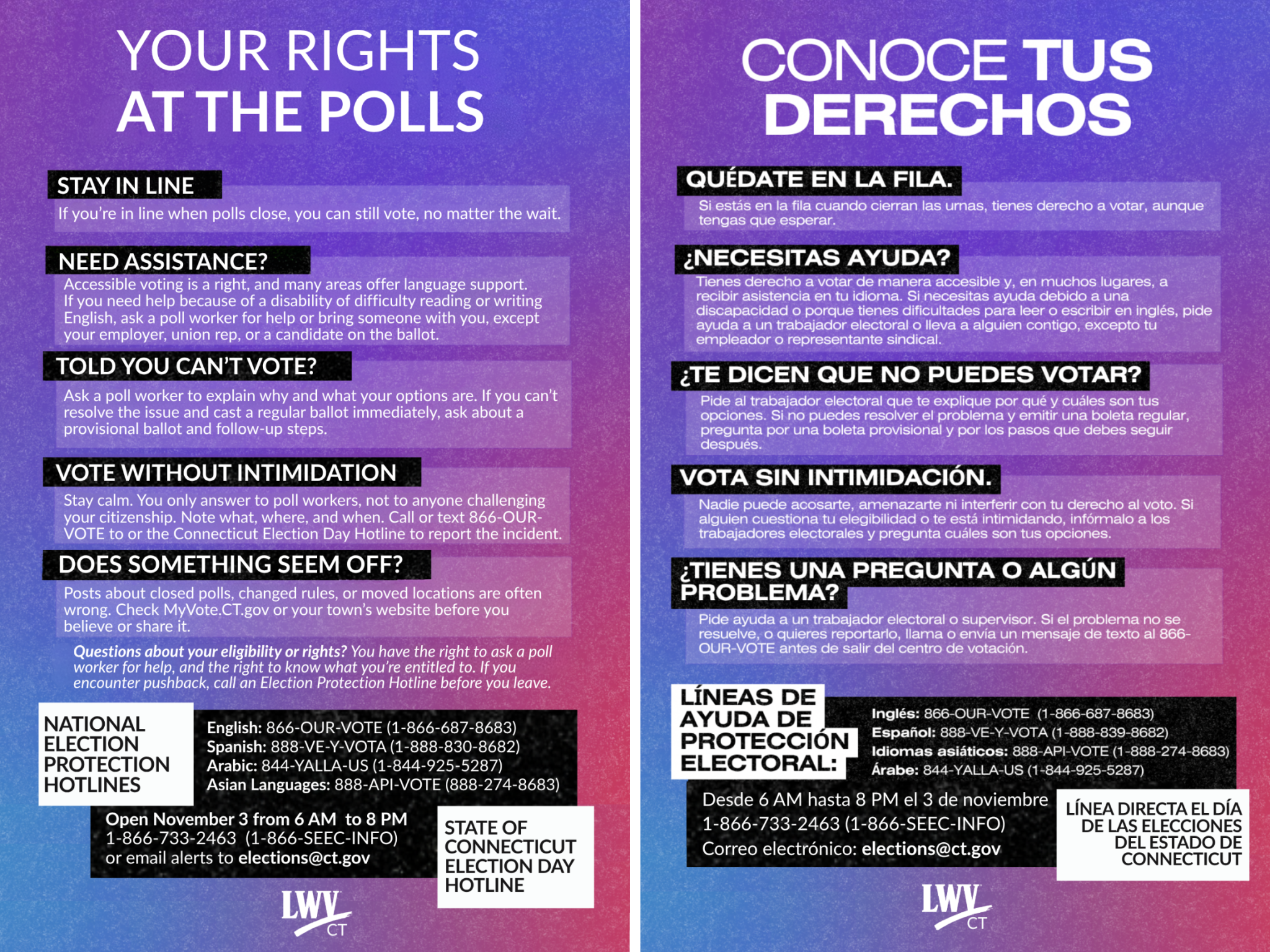
To help increase voting participation in these communities, LWVCT is partnering with Greater New Haven nonprofits to strengthen civic infrastructure. Staff at Integrated Refugee & Immigrant Services (IRIS), for example, translated LWVCT’s voter education materials into seven languages. Junta for Progressive Acción, She Leads Justice, and Leaders for Educational Advocacy and Diversity (LEAD) are also joining the effort.
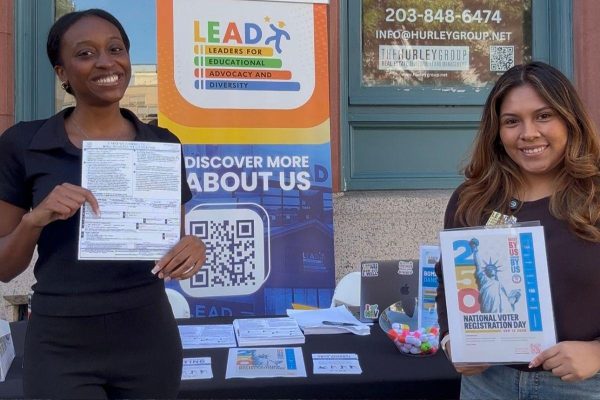
“In the Latino community, they don't know how many opportunities they have,” says LEAD Coordinator Marleny Moreta. “Often, they think the most important part of voting is when you elect the president. But what about local leaders? That's the most important thing. Their vote can help determine education, public safety, and things like electricity or garbage collection, how small businesses can manage their taxes. All these issues are on the ballot during a midterm election."
LEAD has hosted civic education workshops, voter registration and outreach fairs, and community forums designed to engage Latine and immigrant families in civic life, especially those who have historically faced barriers to civic participation.
"At LEAD, our mission is rooted in empowering and strengthening our communities, and one of the most powerful ways to make your voice heard and shape the future of your community is to get out and vote," says Kelly Sheehan, executive coordinator at LEAD.
“What is important is being in those conversations, being present. You may think it's not about your life,” but it is, Moreta says.
“Now with these beautiful grants and programs, we are able to inform them that you have to make your voice heard and choose an elected official who, at the end of the day, will decide what you really want,” says Executive Coordinator Iris Vizcarrondo.