
2026 Milton Fisher Scholarship for Innovation and Creativity Winners
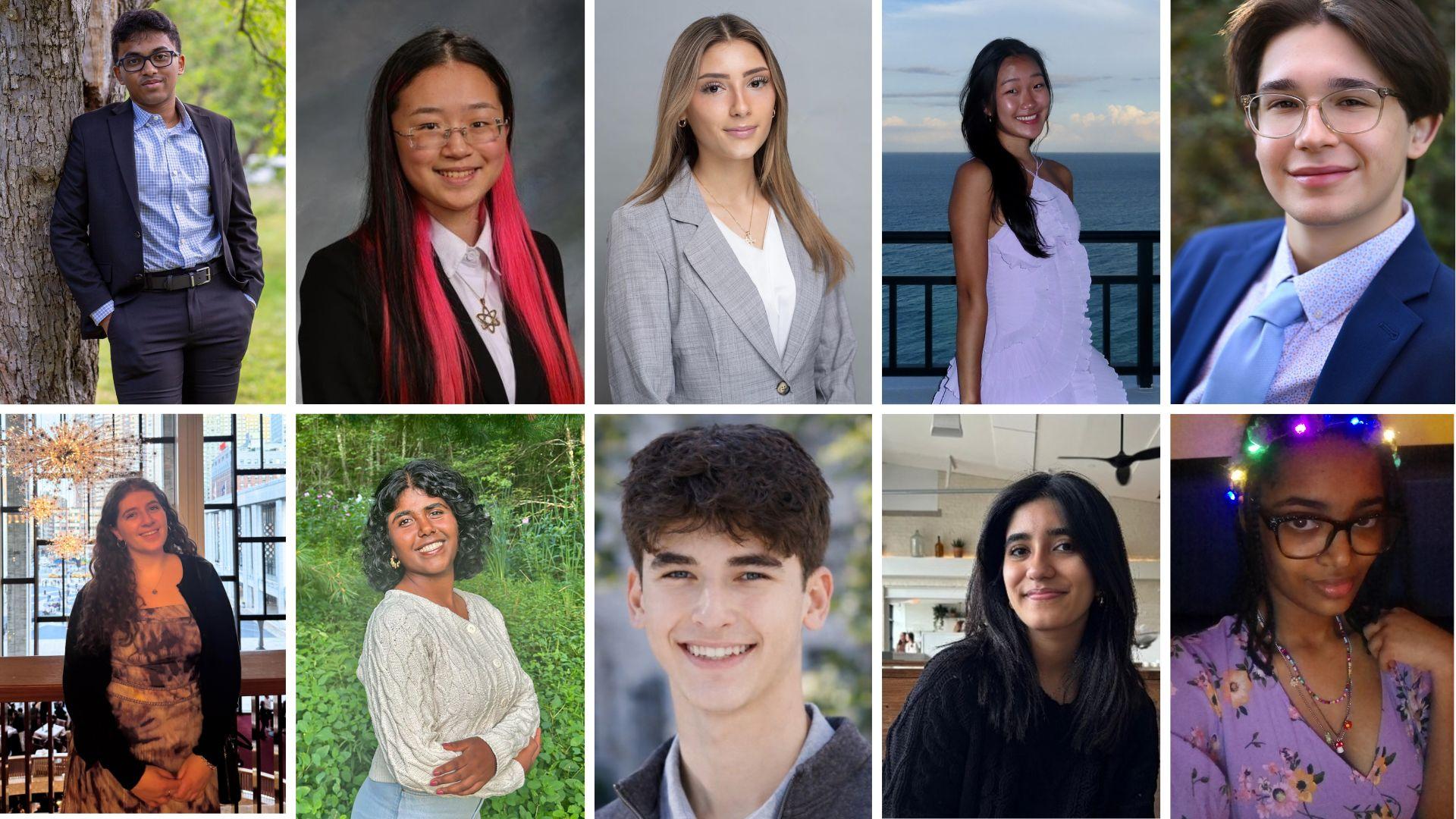
New Haven, Conn. (Sept. 28, 2026) – The Community Foundation for Greater New Haven is pleased to announce nine winners of the 2026 Milton Fisher Scholarship for Innovation and Creativity.
A youth-run Chinese opera company, a device that helps wheelchair users navigate steeper inclines, and a circular agricultural system addressing climate change impacts were among the projects designed by this year’s awardees.
Scholarships were awarded to the candidates who demonstrated significant innovation and whose projects showed the greatest potential for impact. The winners were recognized for projects involving the arts, science, technology, health and social action.
Unlike traditional scholarships rewarding academic achievement or addressing financial need, the Milton Fisher Scholarship for Innovation and Creativity was established in 2003 at The Community Foundation by the Reneé B. Fisher Foundation to reward and encourage creative problem-solving.
Scholarship awards range from $1,000 to $5,000 for four years.

Ben Cohen
The High School for Math, Science, and Engineering at CCNY, New York, NY
Over half of all asthma-related deaths and the majority of asthma hospitalizations happen between the hours of 12:00 am and 8:00 am. Ben and his younger brother, who both have asthma, are familiar with occasional asthma flare-ups at night which lead to sleeplessness and coughing fits or being constantly awakened by their parents to administer their inhaler pumps. However, a typical rescue inhaler dose only lasts four hours, wearing off during sleep. To address this issue, Ben created the Nocturnal Asthma Detection System (NADS), a bedside alarm system that detects nighttime asthma attacks in sleeping patients and wakes them, prompting them to use their rescue inhaler. Ben hopes one day NADS will sit at the bedside of anyone who deals with nighttime asthma symptoms, whether as an affordable product they can purchase or something they built themselves at home, following Ben’s set of instructions. Ben will pursue a degree in Mechanical Engineering at Cornell University.
Elizabeth Singh
Westlake High School, Thornwood, NY
After her grandmother was diagnosed with pulmonary hypertension, Elizabeth wanted to better understand cardiovascular disease and contribute to research that could improve patient outcomes. As a result, she joined a research laboratory focused on pulmonary arterial hypertension and potential treatments, centering her work in the field of epigenetics. Over two summers of research, Elizabeth discovered that the protein UHRF1 is significantly elevated in pulmonary artery smooth muscle cells and that it contributes to the switch of these cells from a healthy state to a cancer-like phenotype. Her findings provide a clear path toward real-world application through epigenetic drug development that targets UHRF1 or its regulatory domains to interrupt the disease at a molecular level, reverse remodeling, and potentially cure or prevent further progression of this otherwise fatal disease. Elizabeth is majoring in Human Biology at the University of Southern California.
Eva Lalevee
Warren Hills Regional High School, Washington, NJ
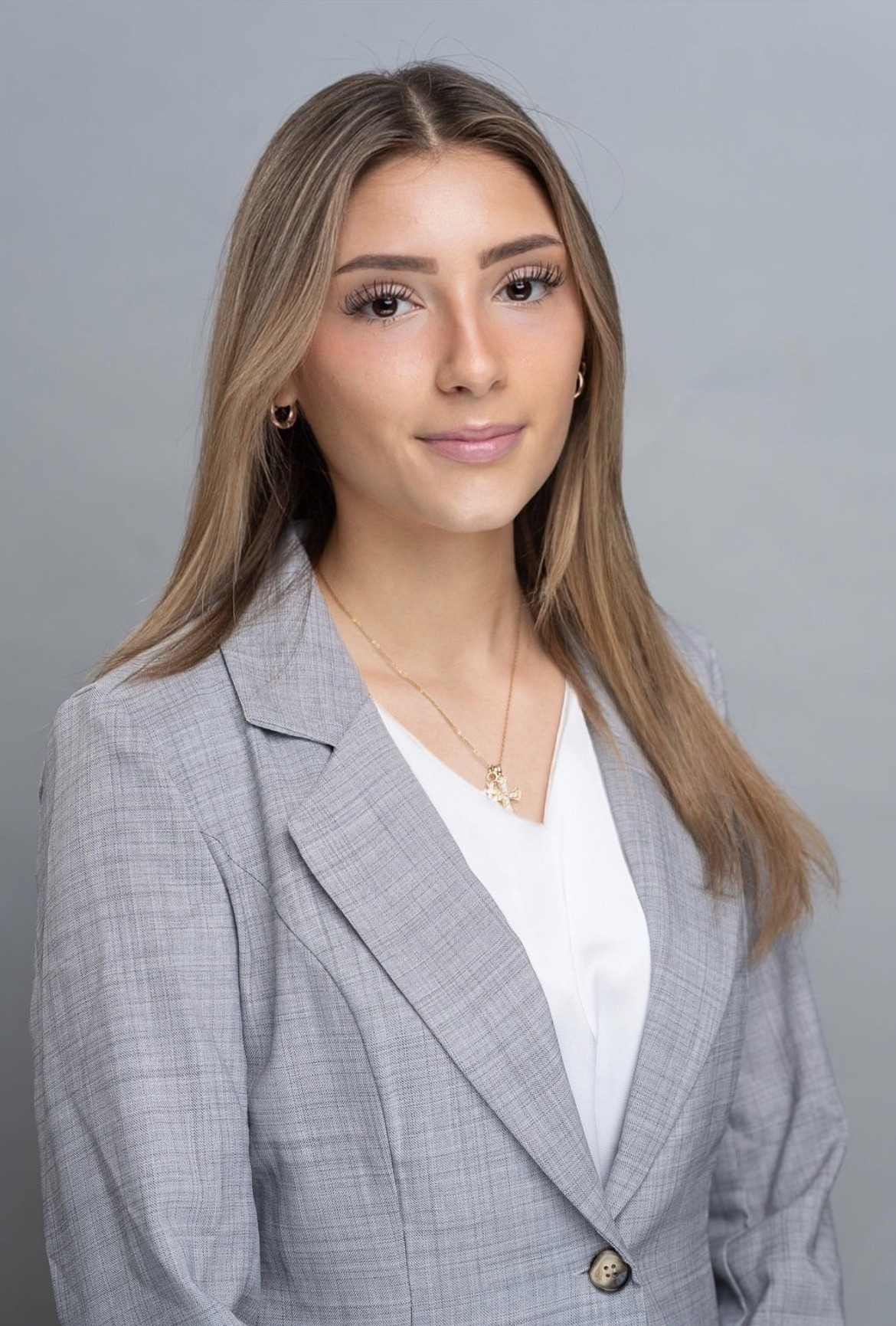
Troubled by the fact that so many elderly people in her community were becoming victims of online scams without really understanding how to protect themselves, Eva created a cybersecurity awareness program specifically for seniors as part of her Girl Scout Gold Award project. She developed a presentation using real scam examples, videos, fake phishing texts, and interactive activities, and presented it 16 times for 450 individuals. Eva was invited to present at the New Jersey Cybersecurity Summit at The College of New Jersey, and the Warren County Sheriff’s Office recognized her work and now uses her materials throughout the county. Eva plans to attend University of Florida and study Computer Science with a specialization in Cybersecurity.
Joy Deng
Amity Regional High School, Woodbridge, CT
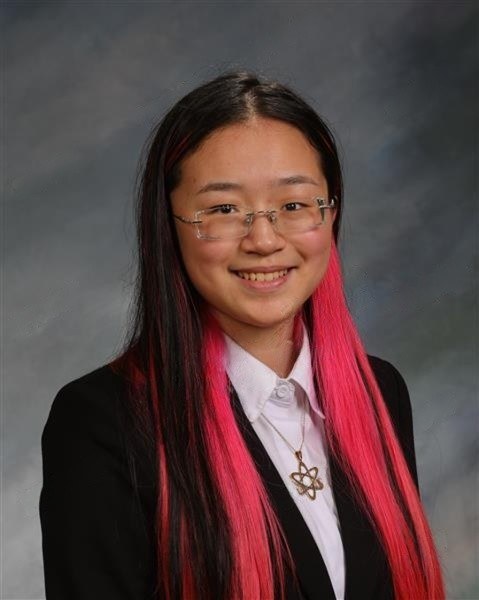
Before she was born, Joy’s grandmother passed away from diabetes-induced health complications. This personal connection to the disease raised Joy’s awareness of the fact that people diagnosed with diabetes, on average, have medical expenditures 2.6 times higher than those without diabetes. Joy observed that many insulin pumps with state-of-the-art treatment methods have high costs, inconvenient long tubing, short infusion set times, and bulky size, all of which inhibit freedom of movement and cause insulin waste, and can also lead to life-threatening complications like severe hyperglycemia. After three years of research, she engineered an insulin pump with low-cost materials, wireless Bluetooth connection, painless microneedles, and an adjustable flow rate for Type 1 and 2 diabetics. Joy plans to attend California Institute of Technology and major in Mechanical Engineering and Philosophy.
Julia Howe
Lick Wilmerding High School, San Francisco, CA
Chinese opera has always connected Julia to the history her family carried with them from Southern China. Concerned by the fact that roughly 60 forms of Chinese opera had either disappeared or become nearly extinct, and that younger audiences are shrinking, performers are aging, and fewer students are pursuing this art form, Julia created Jing Shao Nian, a youth-run Chinese opera company and program. She designed a six-month training program and a series of 60-minute workshops where students learned the technical foundations of Chinese opera, including vocal technique and character work, while also studying Chinese history and the censorship that has shaped the art form’s survival. To date, Jing Shao Nian has introduced more than 1,200 Bay Area students to Chinese opera through 13 workshops at schools. Julia’s goal is to expand the program into a national youth organization. She plans to attend Yale University and study Cognitive Science and Education.
Pahal Bhasin
The Hotchkiss School, Lakeville, CT
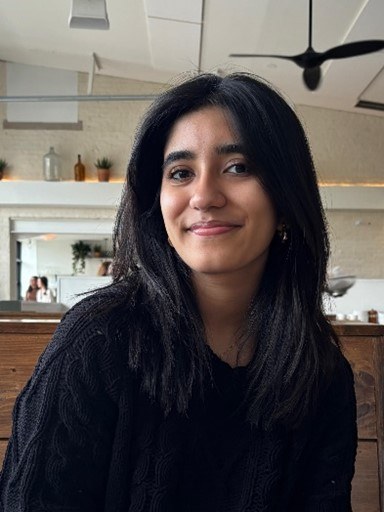
In India, only 2 out of 3 girls between the ages of 6 and 17 are sent to school and nearly 20% of women are married before the age of 18. Growing up in India, Pahal observed that gender inequality is embedded in the stories told to children. Folktales, fairy tales, and cultural narratives repeatedly position women as passive, dependent, or secondary. To counter this narrative, Pahal started Empowerwoment, a storytelling-based intervention that treats narrative itself as a site of change. Empowerwoment has grown from an eight-session creative writing program for 30 girls from underserved communities in India to a multi-platform narrative system that includes workshops, blogs and a podcast. The platform has reached over 2,000 listeners and has featured conversations with women leaders across institutions such as MIT, Vanderbilt Law, and international women’s organizations. Pahal plans to major in Women and Gender Studies and minor in Computer Science at the University of Southern California.
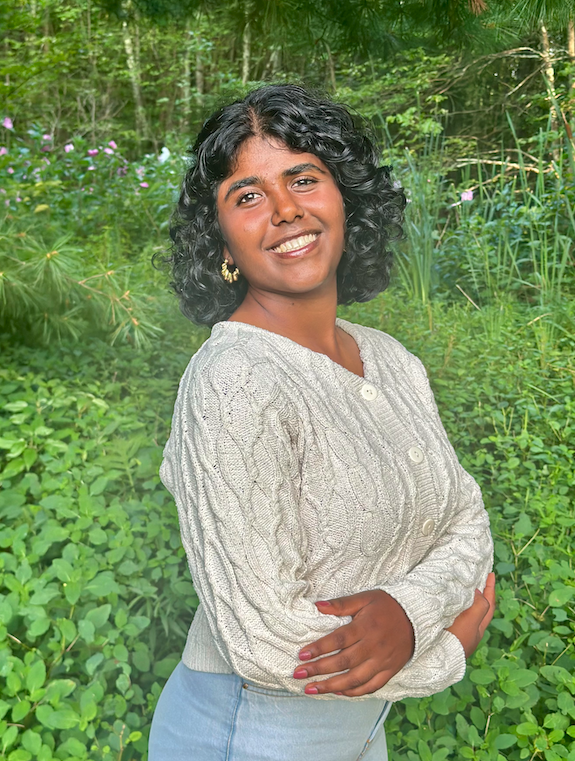
Suchita Srinivasan
Cheshire High School, Cheshire, CT
Born with craniosynostosis and ocular torticollis, Suchita’s head and eyes were locked in a silent war where every surgery yielded a single victor: a symmetrical head or aligned eyes. Not both. After eight procedures that led to changes too small to measure, Suchita sought healing in different ways. As a result, Suchita created Cura, a mobile app paired with an inconspicuous earpiece shaped like a hearing aid that measures a patient’s head tilt, guides neck alignment, and tracks progress. This novel solution forces individuals to maintain proper head alignment while ensuring user comfort and confidence. Suchita plans to pursue a degree in Computer Science, Data Science and Economics at the Massachusetts Institute of Technology.
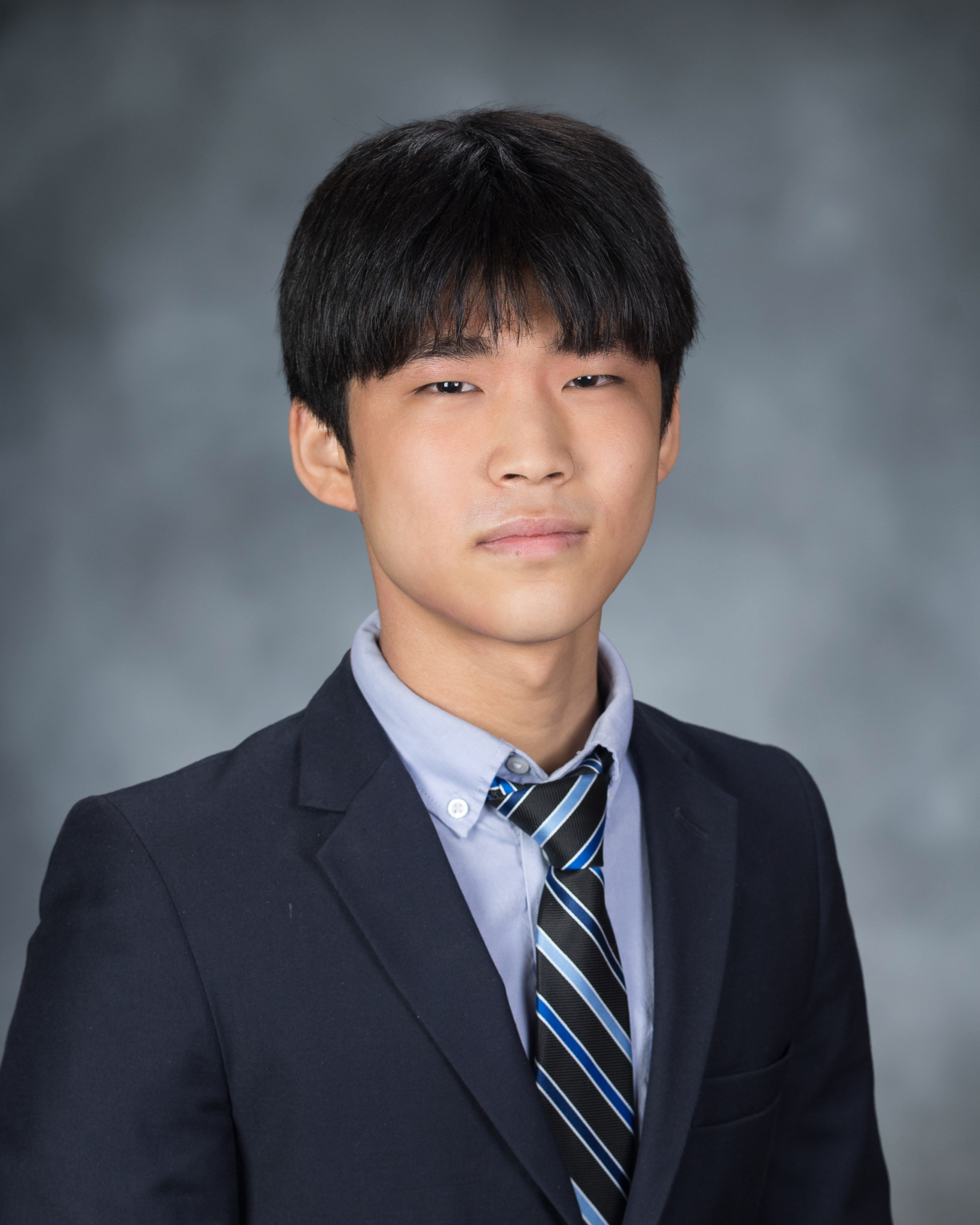
Yewon Lee
Notre Dame West Haven High School, West Haven, CT
While walking up a hill to his high school from the parking lot, Yewon observed that the path’s slope was steeper than regulation ramps for wheelchair users. Concerned that this would be an issue for users of non-electric wheelchairs,, Yewon created a low-cost wheelchair attachment from PLA filament using a 3D printer that provides support while traversing steep inclines. Yewon plans to attend Boston University and study Biomedical Engineering.
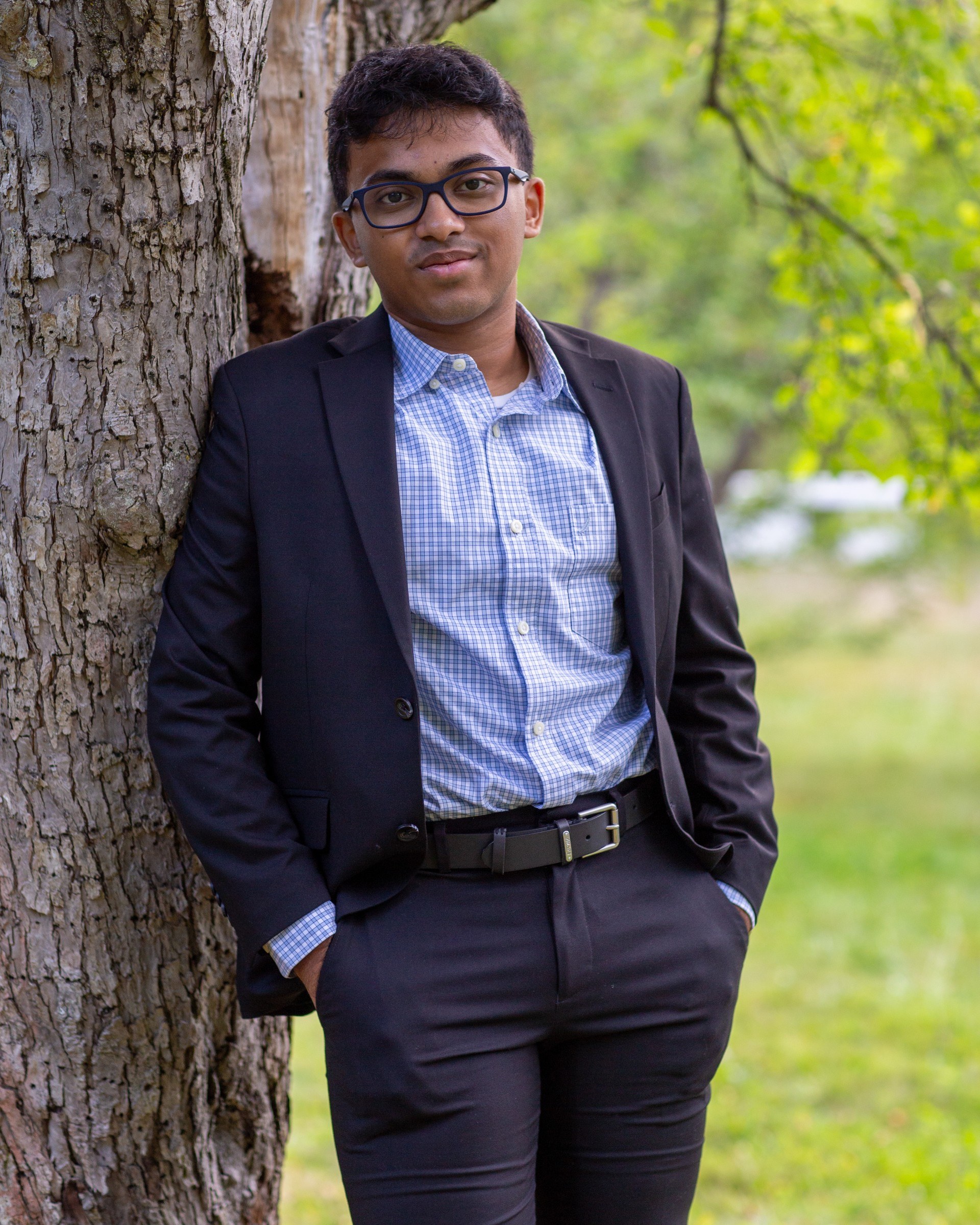
Zafir Bashir
Bangor High School, Bangor, ME
After frequent trips to Bangladesh to visit family, Zafir was troubled by the fact that so many people were living there in stark poverty, often with no access to clean water. These experiences inspired Zafir to create a cost-effective, globally-accessible water filtration system using 3D printing. The system utilizes two distinct methods of filtration including adsorption via metal-organic frameworks and capillary-driven desalination. The base of the system is a Python program that generated G-code to print porous 3D-printed lattice structures, allowing the structures to be fully customizable in terms of size, porosity, and pattern. Anyone can use the Python program to create their own filters tailored to their communities' unique needs for clean drinking water. Zafir plans to pursue a degree in Mechanical Engineering at Columbia University.
2026 Honorable Mentions
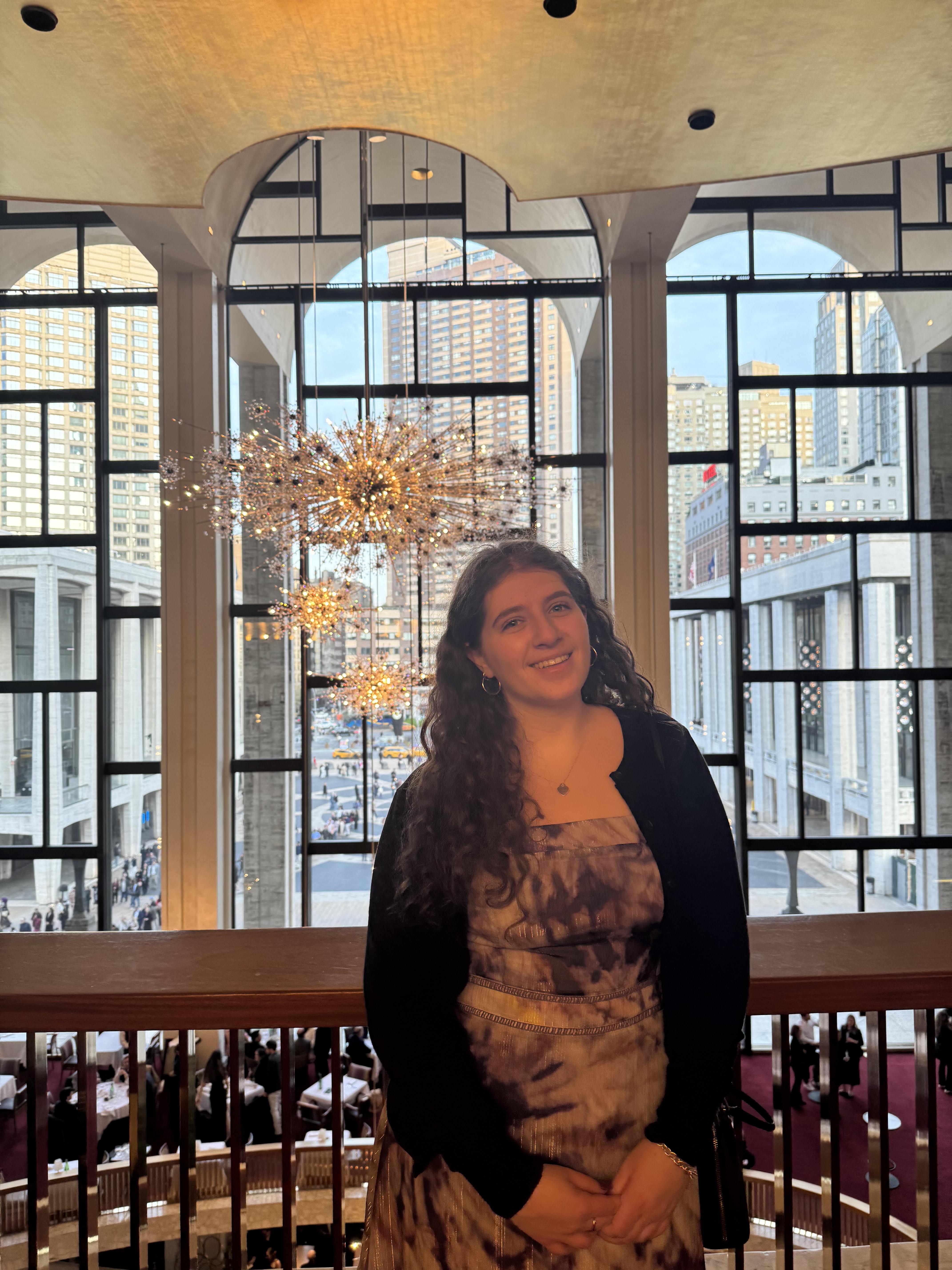
Abigail Avidon
Joel Barlow High School, Redding, CT
As a member of a group of young scientists in the NASA-related organization, Cubes In Space, Abigail helped design and construct several different cubes of the same material, but different infills, using Fusion360 and a 3D printer to test how they would react in the environment of a sounding rocket launch and high altitudes, specifically the mesosphere. Particularly, the group focused on the effects that ionized radiation, vibration, g-forces, and spin have on 3D printed PETG filament. Through this ongoing research, Abigail is contributing information about which infill to use for 3D printing for future NASA missions. Abigail plans on majoring in Physics at Brandeis University.
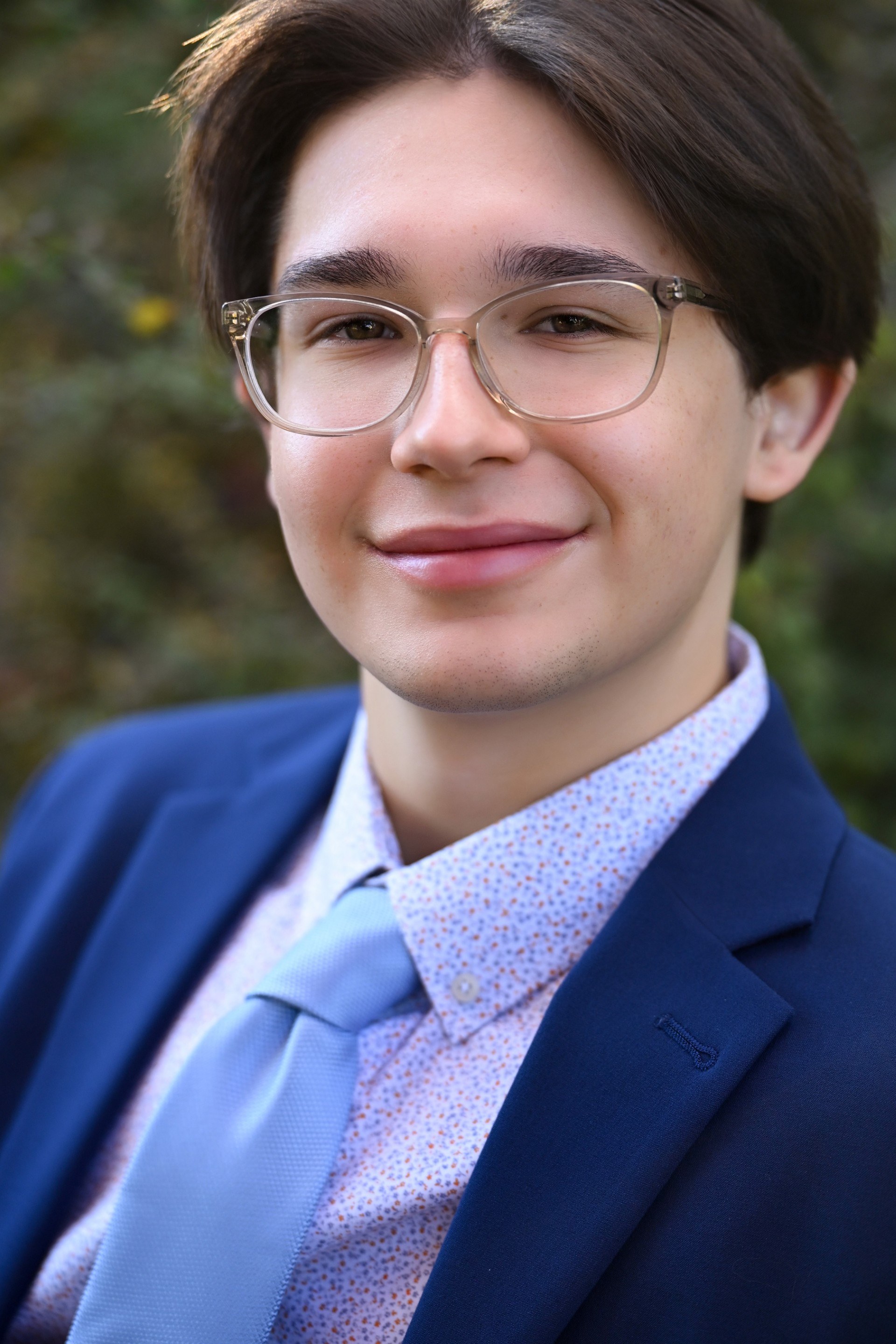
Calvin Coakley
Livingston High School, Livingston, NJ
Fascinated by two pieces of research: one about material that can capture and release carbon dioxide ad infinitum; the other about a method for synthesizing fuel for Direct Formate Fuel Cells using common chemicals, with carbon dioxide as the main reactant, Calvin started to wonder if these technologies could be integrated into a single, closed-loop system and if carbon dioxide could become the foundation for supporting clean, renewable energy. With these questions in mind, he developed CREST (Carbon Reducing Energy Storage Technology), a climate-oriented system for storing electricity, simultaneously addressing the greenhouse effect and the largest problem facing renewable energy. Calvin’s presentation of CREST at the Yale TYS Symposium was met with enthusiasm as a path to transitioning the globe toward Renewable Energy. Calvin plans to study Mechanical Engineering at California Polytechnic State University - San Luis Obispo.

Dakota Martin
Warren Harding High School, Bridgeport, CT
Throughout her high school years, Dakota worked with her art teacher to plan and paint murals around the school. In a windowless classroom, Dakota painted an image of two luminous windows with a cat and plants on the window ledge to give the illusion of looking outside. Besides brightening up the formerly dark classroom, the mural provided a way of improving the mental health of the teacher and students in their learning environment. Dakota plans on studying Digital Media and Design at the University of Connecticut.
Kinnick Campbell
Norwich Free Academy, Norwich, CT
Troubled by the fact that some fellow high school students were struggling with mental health issues in silence, Kinnick created Wildcat's Voice, a student-led video initiative designed to disrupt mental health stigma by making mental health conversations visible, personal, and impossible to ignore. Kinnick organized and led a team to film and produce short videos where students and staff shared their stories, struggles, and advice. After the videos were shared, students began talking about it in class, in the hallways, even reaching out to each other in ways they hadn’t before. Kinnick plans to study Business at the University of Connecticut.

Lucienne Keyoung
Manhasset High School, Manhasset, NY
Interested in a possible circular agricultural system, where waste can be repurposed to purify fertilizer, recover fertilizer, and support plant growth, Lucienne researched the transformation of agricultural waste into biodegradable cellulose nanofiber hydrogels with tunable pore networks. The hydrogel's superior water retention, mechanical strength, and re-swellability offers potential to grow crops with less water and materials. Furthermore, its ability to capture phosphate from runoff and reuse it as a fertilizer to the plant illustrates the circularity of the hydrogel. The hydrogel platform is highly replicable and modular, allowing future researchers to adapt the formulation to specific crops, climates, or remediation targets. Lucienne plans on majoring in Chemical Engineering and Computer Science at the Massachusetts Institute of Technology.


